Key Takeaways
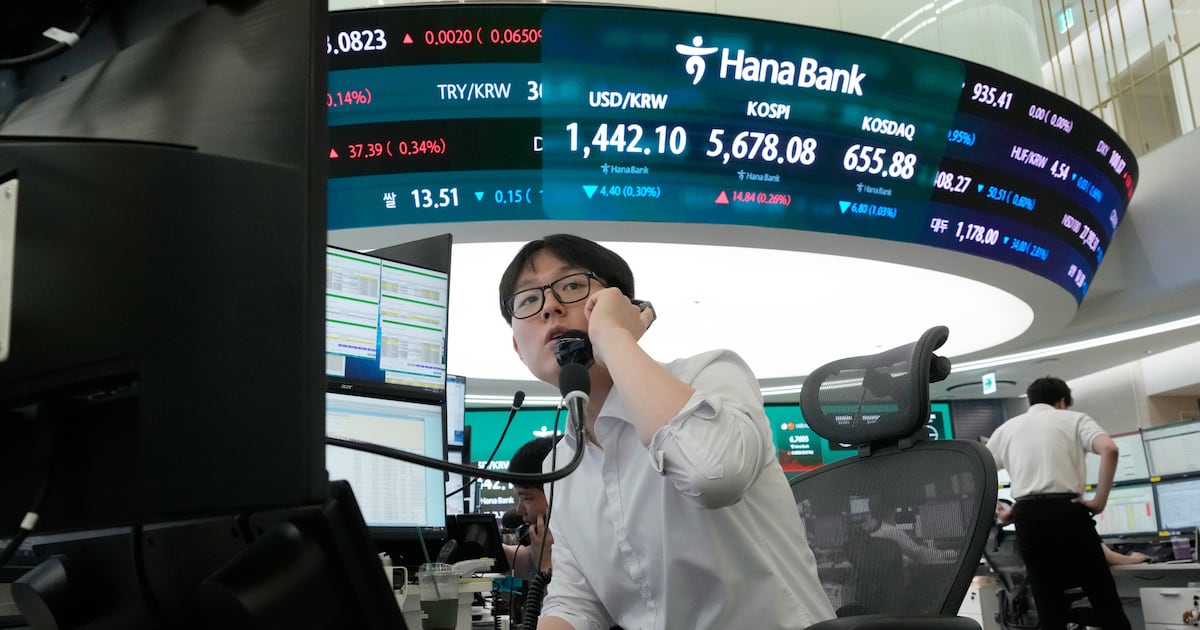
- South Korea’s Kospi index surged over 13% due to a strong rebound in AI-related chipmaking stocks like Samsung Electronics (+19.3%) and SK Hynix (+22.6%).
- This jump follows a significant 16% decline earlier in the week, attributed to concerns over an AI bubble and increased competition.
- Japan's Nikkei 225 also climbed 4.9%, with SoftBank Group and Tokyo Electron seeing substantial gains.
Market Impact
The recent volatility in the Kospi index highlights the fluctuating investor sentiment surrounding AI-related technology stocks. While a strong rebound indicates renewed confidence and tracking of broader market trends, the earlier sharp decline underscores persistent concerns about potential overvaluation and competitive pressures within the AI chip sector. This suggests that the AI market remains highly sensitive to news and speculation, leading to significant short-term price swings for key players.
FAQ
What drove the recent surge in the Kospi index?
The Kospi index's recent surge was primarily driven by a strong rebound in artificial intelligence-related chipmaking stocks, tracking gains seen on Wall Street after earlier losses.
What were the concerns that led to the earlier decline?
The previous decline was largely due to investor worries about a potential AI market bubble and increasing intensive competition among chipmaking rivals, particularly from China.