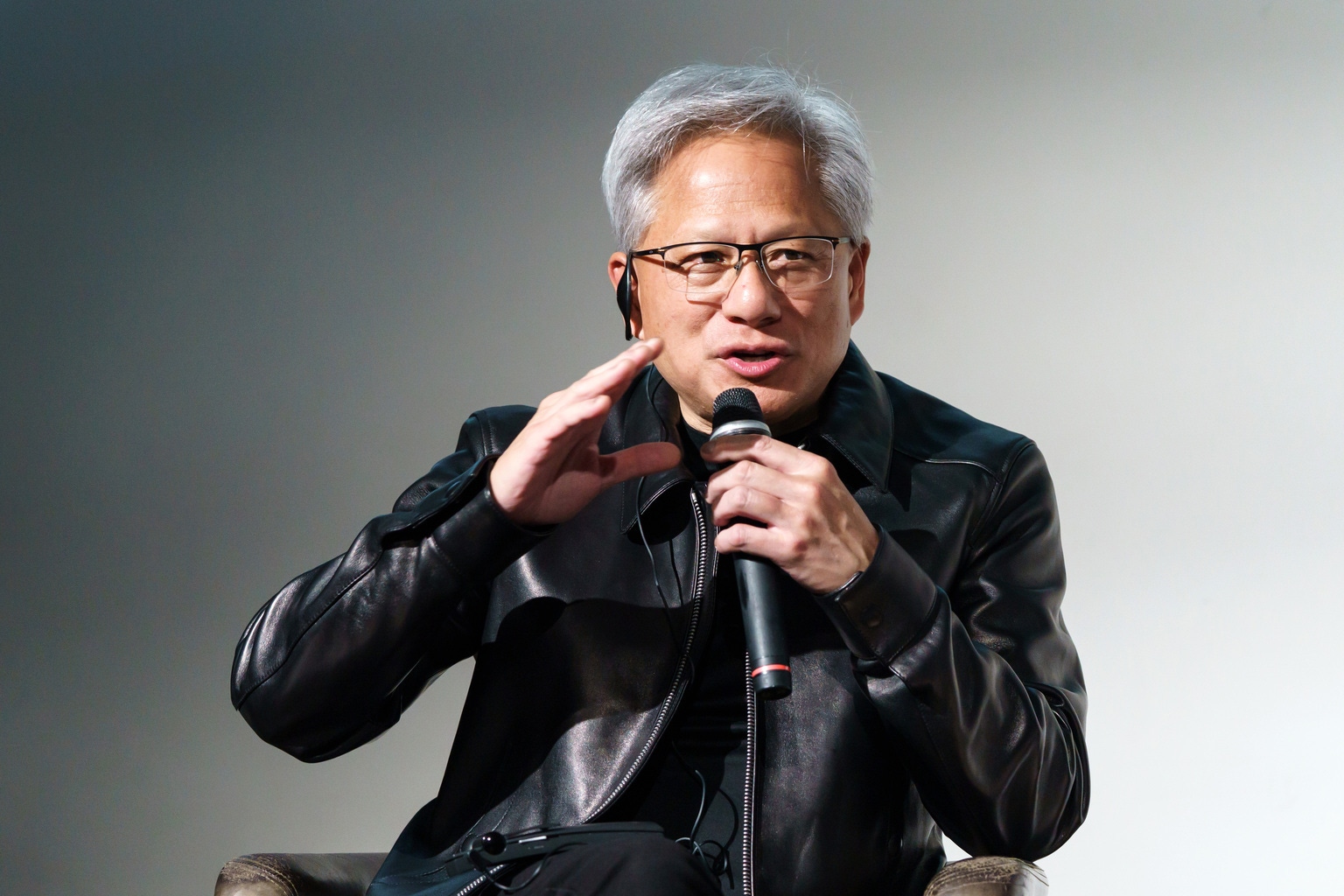
Key Takeaways
- Jensen Huang advocates for securitizing AI compute assets into Asset-Backed Securities (ABS).
- This proposed solution aims to combat tightening capital expenditure (capex) funding in the AI sector.
- However, it carries the substantial risk of amplifying an eventual AI bubble burst and increasing systemic credit risk across the market.
Market Impact
The suggestion to securitize AI compute could provide a temporary liquidity solution for the capital-intensive AI industry, potentially extending the current investment cycle. However, it also introduces complex financial instruments that historically have amplified market volatility and credit risk during downturns, signaling a potential shift towards more speculative financing in the AI sector.
FAQ
What problem does securitizing AI compute aim to solve?
It aims to solve the problem of tightening capital expenditure funding for AI infrastructure, allowing companies to raise capital by packaging future revenues or asset values related to AI compute into tradable securities.
Why is this solution considered risky?
Securitizing AI compute could be risky because it might obscure underlying asset quality, amplify an eventual AI market bubble burst, and introduce systemic credit risk by intertwining the performance of AI assets with complex financial derivatives, similar to the 2008 housing crisis.